“My test is due soon”
Annual testing to certify your backflow prevention devices are functioning correctly and meeting state requirements.
Book Annual Test
TCEQ-certified backflow testing, repairs, and compliance services for residential and commercial properties.
Advanced Backflow Solutions provides expert backflow testing in Grapevine, TX, supporting the city's unique mix of historic Main Street properties, lakeside residences, and high-traffic hospitality venues. Hotels, restaurants, and wineries throughout Grapevine rely on properly functioning backflow preventers to protect public water supplies. Our TCEQ-certified technicians perform annual backflow tests, backflow repair, and compliance documentation for both commercial operators and residential homeowners -- with same-day reports filed digitally for your records.
Need backflow testing in Grapevine? Check price & schedule now →
Annual testing to certify your backflow prevention devices are functioning correctly and meeting state requirements.
Book Annual TestExpert diagnosis and repair for all major brands. Most fixes completed same-day with OEM parts and warranty.
Schedule Repair VisitManaging multiple sites?View enterprise program →


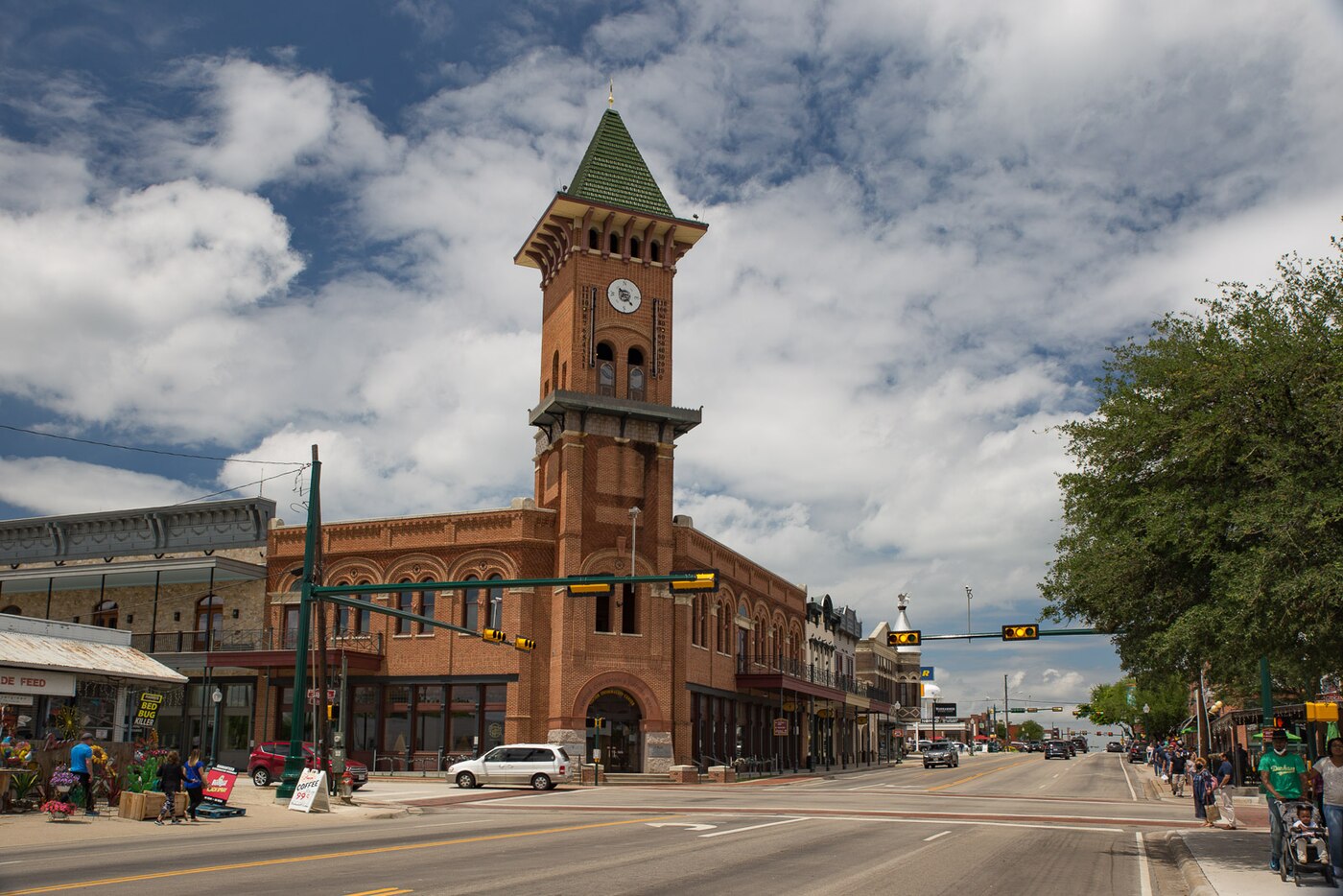
Grapevine is known for its charming historic Main Street, proximity to Grapevine Lake, and a bustling tourism economy anchored by Grapevine Mills Mall and the Great Wolf Lodge. The city straddles the border of Tarrant and Dallas counties and features a diverse mix of historic homes, lakeside properties, and commercial developments that all require backflow compliance.
From the winery district along Main Street to the residential neighborhoods surrounding Grapevine Lake, properties throughout the city depend on functioning backflow prevention. Grapevine's active tourism and hospitality industry also means numerous commercial properties with complex plumbing systems. Our technicians provide testing, repairs, and compliance support for every property type in Grapevine.
Yes. Grapevine requires annual testing for all backflow prevention assemblies under its cross-connection control program. This includes commercial properties, irrigation systems, fire sprinkler connections, and any property where a backflow device is installed to protect the public water supply.
Failed devices must be repaired and retested. We carry common repair parts and can often resolve issues on-site during the same appointment, then retest the device to confirm it passes before submitting results.
Most standard tests take 15-30 minutes per device. The actual time depends on the assembly type and accessibility. We schedule appointments to work around your business operations and minimize disruption.
Yes. We submit all test reports electronically to the City of Grapevine within the required reporting period. You receive confirmation documentation showing your property's compliance status.
Not necessarily. Backflow devices are usually located outside near the water meter or irrigation connection. If we can access the device, testing proceeds without you present and we send results afterward.
We test all assemblies including reduced pressure zone (RPZ) devices, double check valves (DC), pressure vacuum breakers (PVB), and spill-resistant vacuum breakers (SVB). This covers commercial, irrigation, fire suppression, and industrial applications.
Grapevine's cross-connection control program is administered by the Public Works Department under TCEQ regulation 30 TAC 290.44(h). The city serves a population of approximately 54,000 residents and sits at the junction of Tarrant, Dallas, and Denton counties, adjacent to Dallas/Fort Worth International Airport. Grapevine's water supply comes from Grapevine Lake (a U.S. Army Corps of Engineers reservoir) and supplemental purchases from the Trinity River Authority, distributed through a network that also supports the city's historic Main Street district and tourism-driven economy.
All properties with installed backflow assemblies must complete annual testing by a TCEQ-certified tester. Test results are submitted electronically to the city within the required reporting period. The city maintains a registry of all installed backflow devices and monitors compliance status throughout the year. New construction and tenant improvements require Customer Service Inspections to identify cross-connection risks before water service activation.
Enforcement authority under state law grants Grapevine the ability to require installation and annual testing of backflow devices, with violations subject to fines up to $2,000 per day and potential water service termination for persistent non-compliance under 30 TAC 290.46(j). The city takes cross-connection control seriously given its proximity to the DFW Airport and the large volume of commercial and hospitality properties within its boundaries.
Grapevine's economy includes the Grapevine Mills Mall, Great Wolf Lodge, and numerous hotels and restaurants along the Grapevine Lake shoreline that require backflow protection for commercial kitchen, swimming pool, and irrigation systems. The combination of tourism infrastructure, residential neighborhoods, and proximity to major transportation corridors creates diverse cross-connection risks that the city's program is designed to address through consistent annual testing requirements.
Book online in minutes or call us directly. Same-day and next-day appointments available.
Annual testing to certify your backflow prevention devices are functioning correctly and meeting state requirements.
→Expert diagnosis and repair for all major brands. Most fixes completed same-day with OEM parts and warranty.
→Protect your home's water supply with professional backflow testing and maintenance for residential properties.
→Multi-device testing, compliance management, and repair services for commercial and industrial properties.
→Testing and repair for irrigation backflow preventers to keep your landscape systems compliant and safe.
→Stay ahead of deadlines with proactive compliance tracking and scheduled annual testing programs.
→Urgent backflow failures need fast response. We offer priority scheduling for emergency situations.
→Page last updated: March 2026